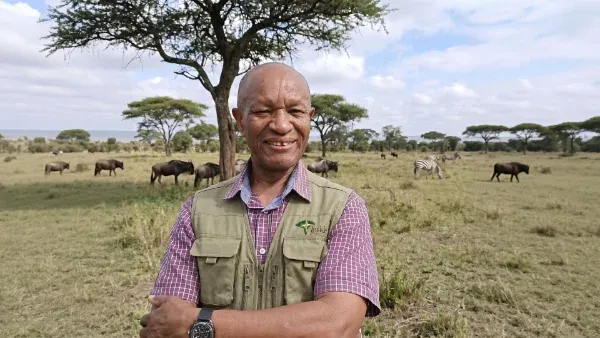
Kenya · Maasai Mara

The greatest wildlife show on Earth

Open plains, the highest big-cat densities in Africa, and the river crossings of the Great Migration.

Scroll
Peak Time July – October
Best Time to Go Year-round
Famous For The Great Migration
Conservancies Mara North · Olare · Naboisho
Home Of Big Five & Cheetah
Why visit the Mara

One of the richest wildlife landscapes on Earth

Open short-grass plains let you follow a lion hunt from start to finish, watch a cheetah stalk for ten unbroken minutes, and see a leopard descend a fever tree in full view — the kind of wildlife watching the Mara is famous for.

From July to October, two million wildebeest, zebra and gazelle move through on the Great Migration, with the Mara River crossings at their most dramatic in August and September.

2M+
Wildebeest
On the Great Migration
30+ yrs
Guiding the Mara
Alex, since 1995
1,510 km²
The reserve
Plus private conservancies
Maasai Mara, Kenya
The plains

Open Grassland

Short grass and wide horizons mean sightings play out in full view — a hunt, a chase, a pride at rest — with nothing to obscure the action.

The migration

The Great Migration

Two million wildebeest, zebra and gazelle move north from the Serengeti — the largest overland migration left on Earth, and the Mara's stage for it.

"

There is not a single day when the Mara fails to produce something extraordinary.

Alex King'oo · Inside Kenya Safaris
Safari tour ideas

Ways to safari the Mara

Plan Your Safari
Get to know the Mara

Everything you need to know before you arrive

The ecosystem, the difference between the national reserve and the private conservancies, and a month-by-month wildlife calendar — the practical knowledge that shapes a great Mara safari.

470+
Bird species recorded
2M
Wildebeest on the move
30 yrs
Alex guiding the Mara
The ecosystem explained

The reserve and the conservancies — what is the difference?

It is the single most important thing to understand before booking a Mara safari, and the question we answer most. The wildlife is the same. The experience is not.

Public land

The National Reserve

Kenya's most visited wildlife area — open to all operators and tour vehicles, with no vehicle limits outside crossing sites.

Open to every operator and tour vehicle
Vehicle congestion around popular sightings
No off-road driving; game drives on tracks
The classic, iconic Mara at full park scale
Private land

The Private Conservancies

Mara North, Olare Motorogi, Naboisho, Ol Kinyei and others — leased from Maasai landowners, with access restricted to each conservancy's own camps.

+Controlled vehicle numbers at every sighting
+Walking safaris and night drives permitted
+Off-road access to follow an animal
+Dawn starts with no fixed departure times

Our recommendation: for most travellers — and almost always for a first Mara visit — the conservancies produce a qualitatively superior experience to the main reserve, particularly for photography. We recommend conservancy access for first-time visitors.

The Mara wildlife calendar

Exceptional year-round — different every month

The Migration's location is the primary variable. Use this guide to choose the best window for your safari.

The Mara wildlife calendar

The Migration is the primary variable

The Mara rewards a visit in any season, but the Great Migration follows rainfall in Kenya and Tanzania and cannot be pinned to exact dates. Use this guide to choose the best window for your safari.

Explore the year
JanFeb
Calving & big cats

Short dry season, fewer visitors and a peak in predator activity around wildebeest calves.

MarAprMay
Green season

The long rains bring vivid landscapes, newborn animals and exceptional birdwatching.

JunJul
Migration arrives

Dry season builds and the leading herds cross into the Mara from mid-July.

AugSepOct
Peak Migration

River crossings at their most frequent and dramatic, with resident big cats excellent throughout.

NovDec
Short rains

The herds return to Tanzania, but resident lion, leopard and cheetah remain excellent.

Detailed month guide
January – February
Short dry season· Good value
Migration Herds
Big Cats
Visitor Levels
Photography
Great value
March – May
Long rains· Green & quiet
Migration Herds
Big Cats
Visitor Levels
Photography
Lush & quiet
June – July
Migration arrives· Dry season builds
Migration Herds
Big Cats
Visitor Levels
Photography
Herds arriving
Best time
August – October
Peak Migration· River crossings
Migration Herds
Big Cats
Visitor Levels
Photography
Peak crossings
November – December
Short rains· Migration departs
Migration Herds
Big Cats
Visitor Levels
Photography
Beautiful light
Insider tip

Migration timing varies year to year with rainfall in Tanzania and Kenya — the windows above reflect the typical annual pattern, and crossing activity can begin earlier or later. We monitor conditions throughout the season and advise all Migration-focused travellers before they travel.

Plan Your Safari
Wildlife highlights

What makes the Mara extraordinary

The Big Five, the greatest wildlife spectacle on Earth, and open plains that reward every drive.

The signature experience

The Great
Migration

Two million wildebeest, zebra and gazelle move through on the Great Migration, with Mara River crossings at their most dramatic from July to October — one of the most dramatic wildlife spectacles on Earth.

Plan Your Safari
Big cats
Lion, Leopard & Cheetah

Some of the highest lion densities in Africa, a resident leopard population and open grassland ideal for cheetah — all three regularly sighted. Read our full big cats guide →

Birdlife
470+ Species

The lilac-breasted roller, martial eagle and secretary bird, plus migrant species from Europe and Asia between November and April.

Plains game
Elephant

A substantial resident population, with breeding herds regularly encountered on the open plains and at evening water sources.

Private land
The Conservancies

Mara North, Naboisho and others — controlled vehicle numbers, off-road access and walking safaris unavailable in the main reserve.

Maasai homeland
Rich Culture

Home to the Maasai people, whose traditions, cattle-herding way of life and deep knowledge of the land endure across the ecosystem.

2M+Wildebeest
470+Bird species
3Resident big cats
30+ yrsAlex guiding the Mara
In pictures

The Mara, frame by frame

A glimpse of what a week on the plains looks like. Tap any image to view it full-screen.

Each image is a moment. Each moment is the Mara.

When to go

Excellent year-round — better still, well-timed

Read our full month-by-month Kenya guide →

Jul – Oct

The Migration

River crossings, with August the peak. Book conservancy camps 9–12 months ahead.

Jan – Feb

Big cats & value

An underrated short dry season — excellent predators, fewer vehicles, better rates.

Nov – Apr

Birdwatching

Migrant species present and breeding plumage at its most vivid across the ecosystem.

Mar – Jun

Green & quiet

The long rains bring dramatic green landscapes, solitude and the year's lowest rates.

Where to stay

Accommodation options in the Mara

A considered selection of lodges and camps across the reserve and the private conservancies — chosen for location, guiding and access, not just comfort.

Alex put us exactly where the action was, every single morning. We watched a crossing for two hours with no other vehicle in sight. It changed how we think about travel.

The Harrisons — United Kingdom · 7-night Mara & Amboseli safari

Why book with us

Founder-led, every step

Thirty years on the plains

Alex King'oo is KPSGA-certified and has guided the Mara since 1995. You travel with the person who designs your safari.

Genuinely tailor-made

No fixed departures. The right conservancy, the right camp and the right week — built around your dates and interests.

Conservancy access

Relationships with the community conservancies mean low vehicle density, walking safaris and night drives — not just the public reserve.

Good to know

Maasai Mara safari questions

The Migration passes through the Mara from approximately July to October, with the Mara River crossings concentrated in August and September. Timing shifts year to year with rainfall, so we monitor conditions throughout the season and advise Migration-focused travellers before they travel.

The national reserve is public, with no vehicle limits outside crossing sites. The private conservancies are leased from Maasai communities, restrict access to their own camps' guests, and control vehicle numbers — so you get the same wildlife with far fewer vehicles, plus walking safaris, night drives and off-road access. For most first-time visitors we recommend conservancy access.

The Mara is excellent year-round. July to October is best for the Migration; January to February is an underrated short dry season with excellent big cats and good value; November to April is best for birdwatching; and the long rains from March to June bring green landscapes, solitude and lower rates.

For the peak Migration window — particularly August — book conservancy camps 9 to 12 months ahead. July and the shoulder months are best booked 6 to 9 months out. The best small camps hold limited capacity and fill early.

Year-round populations of lion, leopard, cheetah, elephant and buffalo, plus over 470 bird species. Lion densities are among the highest in Africa, and the open grassland makes extended observation of predator behaviour genuinely possible. July to October adds two million wildebeest, zebra and gazelle.

Plan your safari

Let's plan your Maasai Mara safari

Tell me your dates and what you most want to see — I'll build the Mara around them.