Every Amboseli safari is built around you
Tell us your dates and whether the Kilimanjaro image is your goal. Alex designs the route, the lodge and the morning positioning — personally.
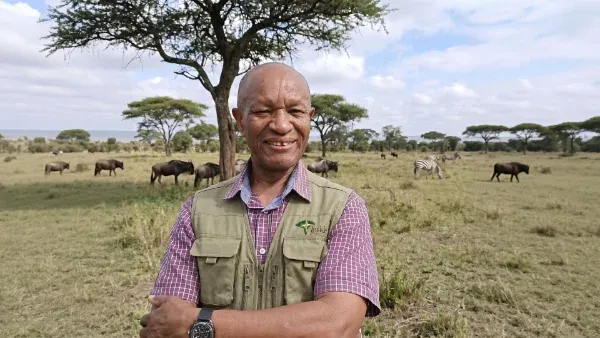
Kenya's most photogenic destination — where the world's most studied elephant herds move against the backdrop of Africa's highest mountain.
Amboseli sits at the foot of Mount Kilimanjaro — at 5,895 metres the highest mountain in Africa, visible on clear mornings with extraordinary clarity.
Its elephant herds are among the most studied on Earth, tracked individually since 1972 — deeply habituated to vehicles, so family dynamics, calves and bulls can be watched at a proximity few destinations offer.
Where the Mara is dramatic, Amboseli is contemplative: slower, wider, absorbing rather than eventful.
Towering above the plains, Kilimanjaro provides one of the world's most iconic natural backdrops for wildlife photography — especially at dawn, when the light is at its purest.
Generations of research have given us something rare — a deep understanding of elephant society. Watch families interact, calves learn and giants move with quiet purpose.
The first time the Kilimanjaro image comes together for a guest — elephants crossing the plain at dawn, the mountain perfectly clear behind them — is one of the most rewarding moments I experience as a guide.
Tell us your dates and whether the Kilimanjaro image is your goal. Alex designs the route, the lodge and the morning positioning — personally.
Private vehicle · elephant focus · Kilimanjaro photography sessions · dawn drives · marsh birding.
Explore →The classic Kenya circuit — wildlife, landscapes, and three of East Africa's most iconic reserves.
Explore →A shorter circuit through Kenya's signature landscapes, built for a first safari done right.
Explore →Two countries, one journey — the Mara, the Serengeti, and everything between.
Explore →Big Five plains, then the Indian Ocean — the classic wildlife-and-beach pairing.
Explore →Samburu's rare northern species down to the Mara's great herds — the full length of Kenya.
Explore →The world's most studied elephant families, the marsh ecosystem fed by Kilimanjaro's snowmelt, and exactly what it takes to come home with the photograph you came for.
The image of elephants against Kilimanjaro is the reason many travellers come to Amboseli. The conditions that produce it are specific, and understanding them before you arrive significantly increases your chances of coming home with it.
Kilimanjaro is almost always visible in the first light of day, before thermal activity builds cloud around the summit.
On most days the summit has disappeared behind cloud by mid-morning and will not reappear until late evening, if at all.
The dry-season rule: rain increases cloud cover and reduces Kilimanjaro visibility significantly. The dry seasons — June to October and January to February — produce the most consistent mountain views. The guides who know Amboseli well know which elephant families move through the open areas at first light, and where to position for the clearest mountain. That is the difference between arriving in Amboseli and coming home with the image.
Studied continuously since 1972 — the longest study of wild elephants anywhere on Earth. Individuals are identified, named, and their family histories tracked across generations, so experienced guides can recognise specific groups and predict their movements through the day.
The park holds around 1,500 elephants in roughly 60 family groups, each led by a matriarch. Calves born into them have never known a world without vehicles, so proximity is exceptional — calves are regularly visible within metres. Mature bulls, often in musth, are reliably present around the swamp and treated with appropriate caution.
Permanent water, fed by underground springs from Kilimanjaro's snowmelt, creates a marsh at the park's heart that supports wildlife year-round, even in the driest conditions. It is where the most concentrated elephant viewing and the most varied birdlife are found.
The open water produces exceptional dawn photography — elephants and hippos reflected in still water, herons and egrets working the shallows, the mountain behind on clear mornings. The late-afternoon marsh light is among the best in Kenya: warm, directional, with the water as a natural reflective surface.
Amboseli rewards a visit in any season, but the mountain is weather-dependent and cannot be guaranteed. Use this guide to choose the best time for your safari.
Clear skies, active wildlife and fewer visitors make this an excellent value window.
Rains bring the plains to life — fewer crowds, lush landscapes and dramatic skies.
Vegetation drops, wildlife concentrates at the marsh and visibility improves.
Best chance of clear Kilimanjaro mornings and large elephant aggregations.
Afternoons may bring showers, but mornings are often clear with beautiful light.
Kilimanjaro is most often visible in the early morning. Book at least two full safari days to maximise your chances of clear views and incredible wildlife encounters.
Plan Your Safari →Iconic wildlife, breathtaking landscapes and a slower rhythm you won't find elsewhere.
Over 1,500 free-roaming elephants in 60 matriarch-led families move beneath Africa's highest mountain — the most studied herds on Earth, and one of the most iconic safari scenes anywhere.
Discover Amboseli →A resident predator population — lion, cheetah and leopard — set against open ground and clean backgrounds.
A paradise for birders — six species of heron, saddle-billed stork, spoonbill, raptors and seasonal migrants.
Permanent spring-fed water at the park's heart draws wildlife year-round and creates stunning dawn reflections.
Home to the Maasai people, whose traditions and deep connection to the land endure across the ecosystem.
Fewer vehicles, a slower rhythm and wider landscapes — time to truly take it all in.
A glimpse of what a few mornings in Amboseli look like. Explore the moments that make this place unforgettable.
Each image is a moment. Each moment is Amboseli.
Peak dry season — the most consistent morning mountain clarity and large elephant aggregations at the marsh.
Short dry season — excellent visibility, large active herds, fewer visitors and lower rates than peak.
Migrants present and breeding plumage at its richest. The marsh birdlife is exceptional year-round.
The long rains bring vivid green and the year's lowest rates — but the mountain is often hidden in cloud.
Lodges chosen for Kilimanjaro views, elephant proximity and dawn access — not just comfort.
Classic lodge by the marsh with Kilimanjaro views
Intimate camp positioned for elephants and dawn departures
Tented camp at the foot of Kilimanjaro, close to the park gate
Alex had us in position before dawn, and on the third morning the mountain came out perfectly clear behind a family of elephants. We got the photograph we had travelled across the world for.
The Harrisons — United Kingdom · 7-night Amboseli & Mara safari
Alex King'oo is KPSGA-certified and has guided Amboseli since 1995. You travel with the person who designs your safari.
No fixed departures. The right conservancy, the right camp and the right week — built around your dates and interests.
The Kilimanjaro image is won before 9am. Alex knows which families move through the open ground at first light and where to position for the clearest mountain.
Not guaranteed — visibility depends on weather and time of day. The mountain is most reliably clear in the first two hours after dawn, before thermal activity builds cloud around the summit. In the dry seasons (June to October, January to February) clear morning views are frequent; during the long rains it can be invisible for days. Dawn departures are essential for the best chance of the image.
Yes. The marsh produces exceptional bird photography, and lion, cheetah and leopard are present throughout the park. The wide, open landscape and clean backgrounds make compositionally strong images easier than in dense environments, and the dawn and dusk light — with Kilimanjaro behind — is exceptional for landscape work regardless of subject.
Different rather than better or worse. The Mara is higher energy — more predators, more activity, more dramatic sightings. Amboseli is more contemplative, with fewer vehicles, a slower pace and an elephant experience more immersive and proximate than anywhere else in Kenya. Most travellers who combine both prefer the Mara for intensity and Amboseli for the elephant and Kilimanjaro experience.
Yes — it's one of Kenya's most family-friendly destinations. At some properties elephants are visible from the lodge grounds, so children can watch wildlife before their first game drive. The pace is slower than the Mara, which suits younger children, and several lodges offer family rooms and shallow pools. There is no minimum age and the closed vehicles are safe for all ages.
A short domestic flight from Wilson Airport in Nairobi (about 45 minutes) to Amboseli's airstrip, or roughly a 4-hour road transfer from Nairobi. Amboseli is also reachable by road from the Mara (approximately 5 to 6 hours), making it possible to combine the two overland if time allows.
Tell me when you're travelling and whether the Kilimanjaro image is your goal or one of several — it changes how I structure the itinerary. I'll come back within 24 hours with a plan built around your dates.