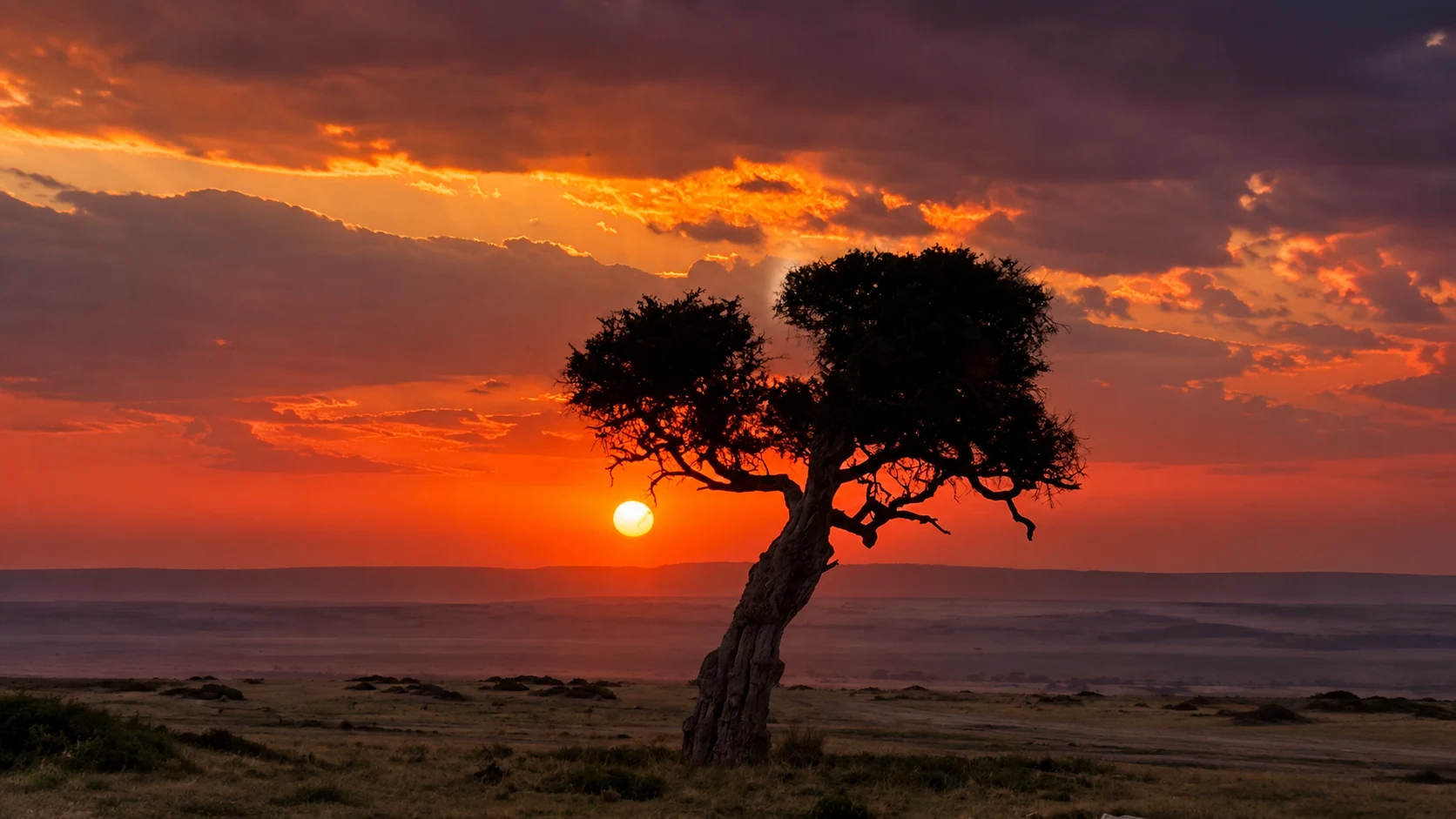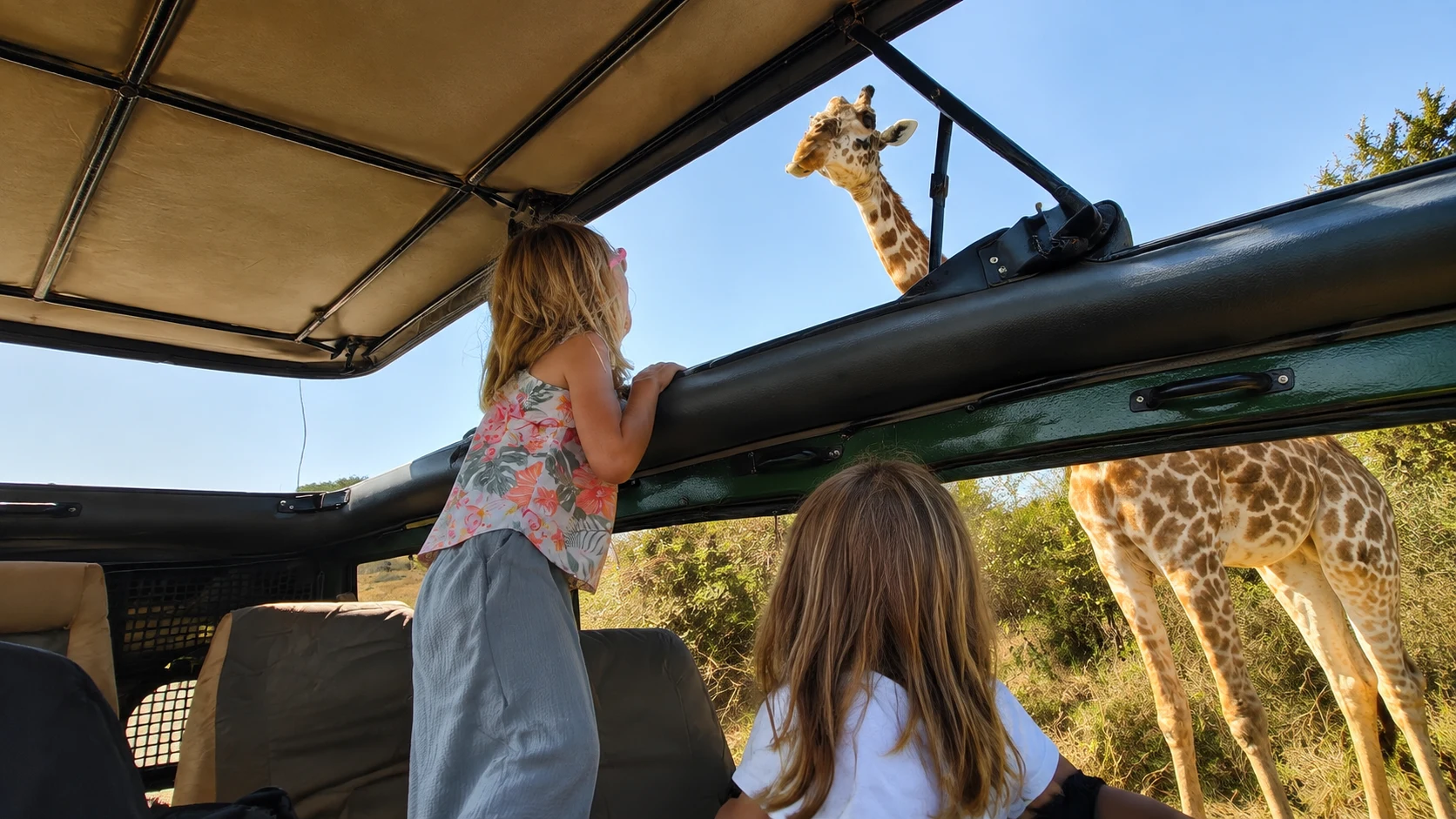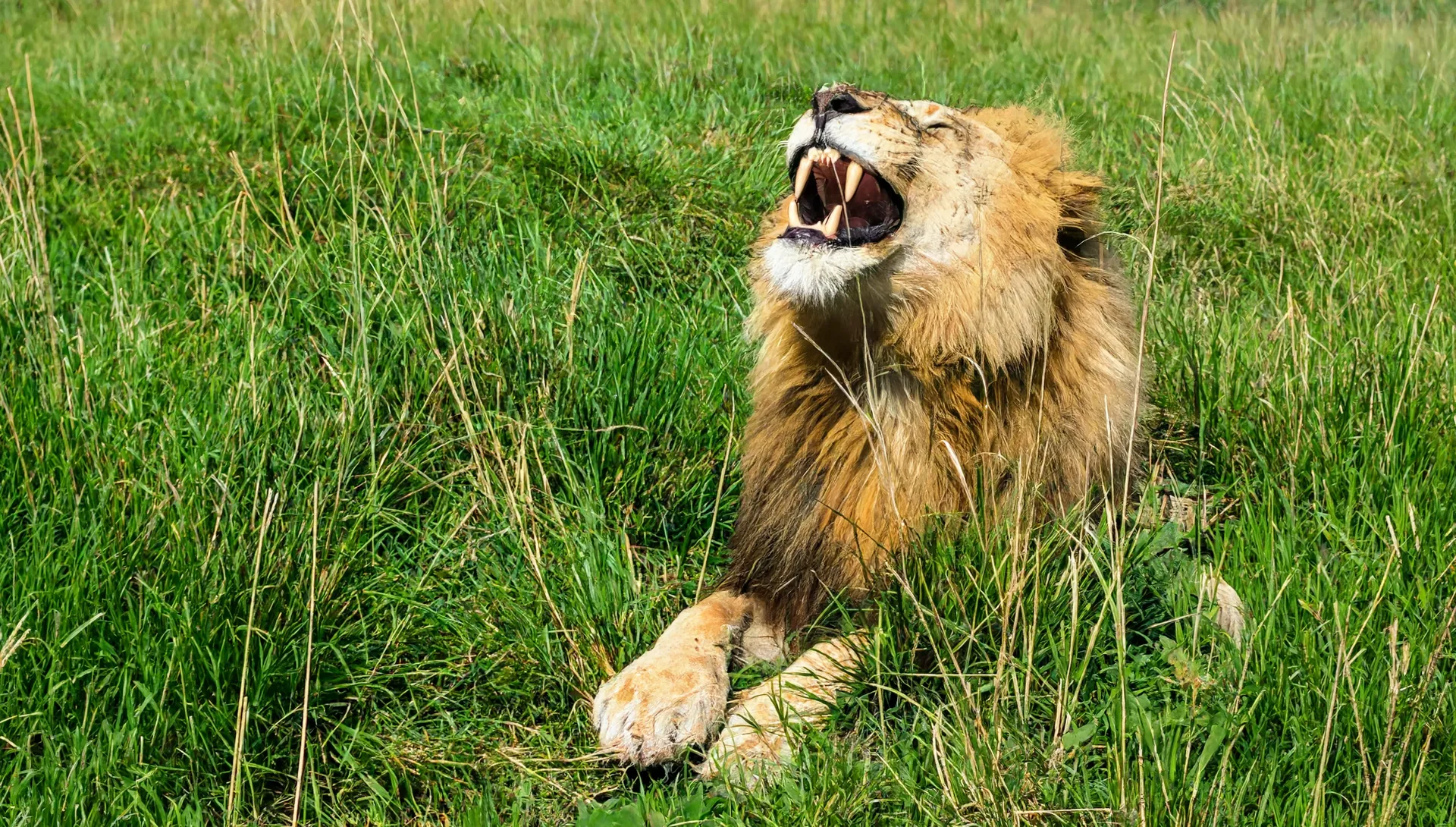
The Great Migration reaches Kenya's Maasai Mara from roughly July to October, with the Mara River crossings most dramatic from late July to early October and peaking in August and September. Dates shift every year with the rains, so no operator can promise a crossing on a given day. What you can do is choose the right months, the right camp and enough nights to give the herds time.
This guide explains how the migration works, where in the Mara to stay, and how to plan around its uncertainty.
What the Great Migration is
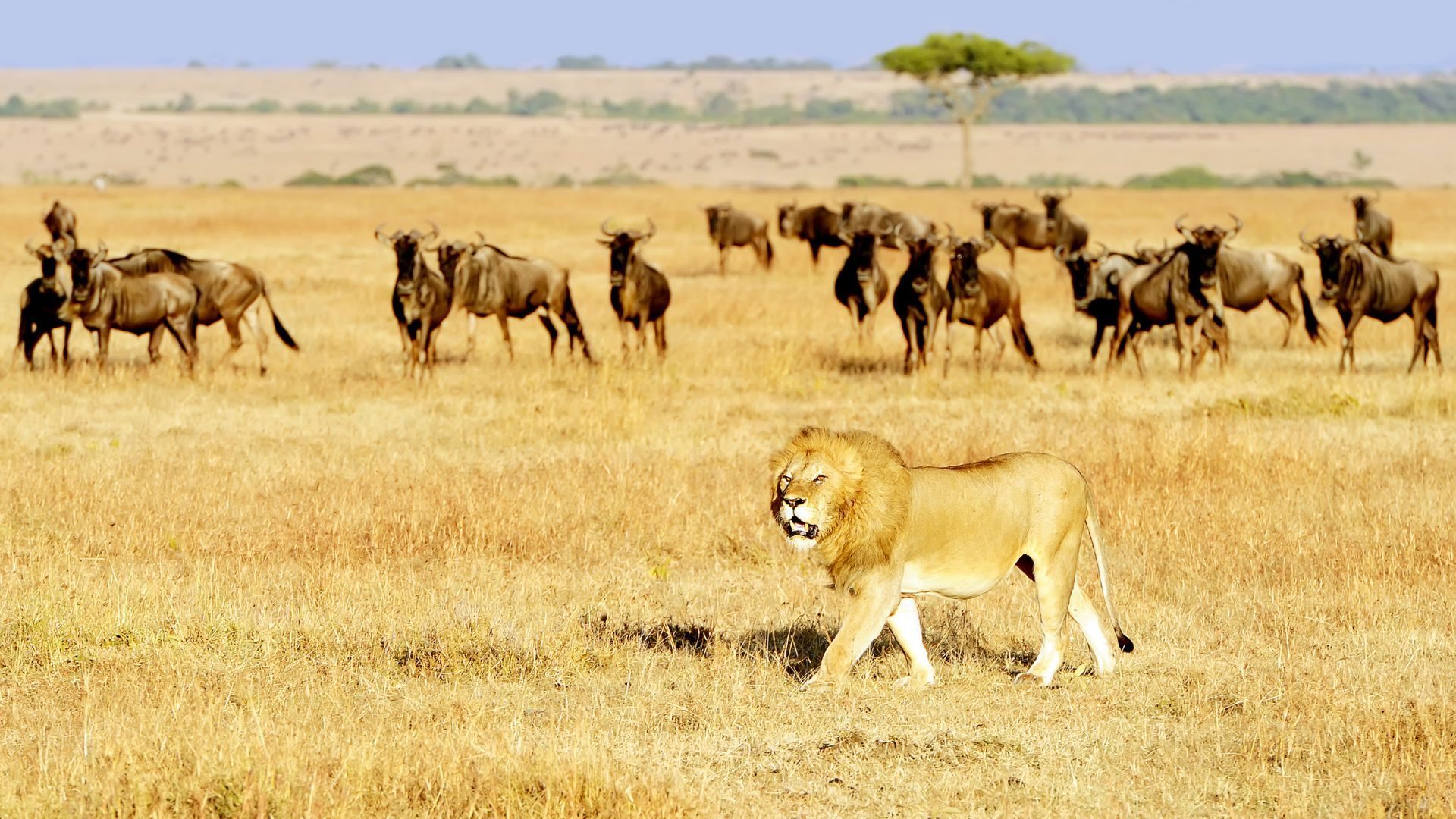
The Great Migration is the continuous, year-round movement of around two million wildebeest, along with zebra and gazelle, between Tanzania's Serengeti and Kenya's Maasai Mara. It is one loop, not two separate events, and the herds follow the rain and the fresh grass.
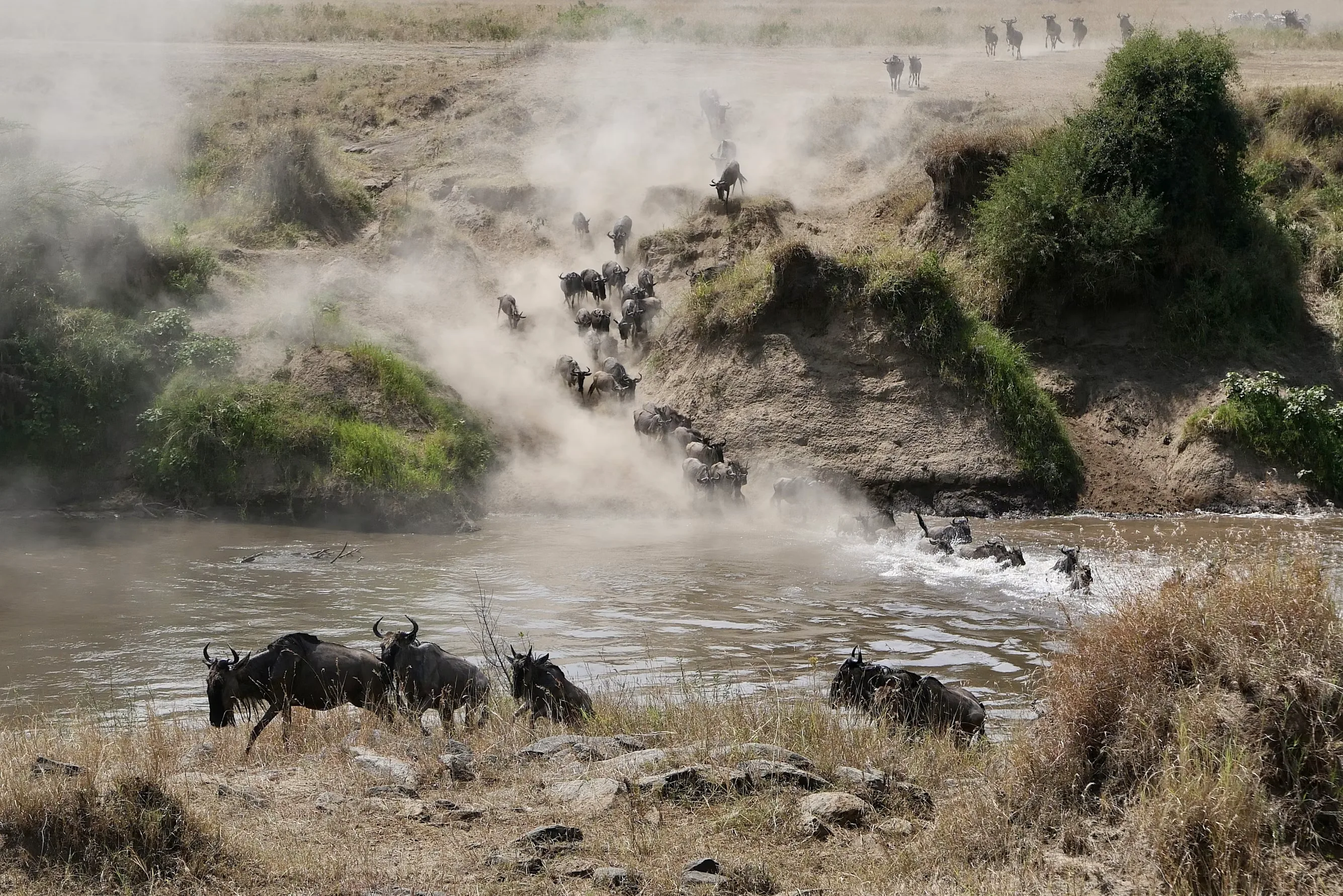
It is often described as a Serengeti event, but the Kenyan leg is where the Mara River crossings happen. Those crossings, when thousands of animals plunge down a bank into crocodile-filled water, are what most travellers picture when they think of the migration.
The migration calendar
| Months | Where the herds are | What to expect |
|---|---|---|
| December to March | Southern Serengeti, Tanzania | Calving season |
| April to June | Central and western Serengeti, moving north | Herds on the move, quieter safaris |
| July | Northern Serengeti, arriving in the Mara | First herds and early crossings |
| August to September | Maasai Mara, Kenya | Peak Mara River crossings |
| October | Maasai Mara, starting to return | Crossings continue, fewer vehicles |
| November | Heading south into Tanzania | Last herds leave, short rains begin |
Sources agree on July to October but differ on the edges of the season. Some describe the best crossings as late July to early October, while others note some crossings continuing into early November. Treat the dates as estimates.
Where to see the migration in the Maasai Mara
The Mara River is the main stage. The herds gather on the Tanzanian side of the river, then cross into Kenya where the grazing is better. Most of the large, vehicle-based crossing viewing happens at the river inside the Maasai Mara National Reserve. The private conservancies to the north, such as Mara North and Naboisho, have fewer vehicles and allow off-road driving and walking safaris, although the biggest crossings are mainly within the reserve.
How crossings actually work
Most of a crossing is waiting. The herds gather on the bank, sometimes for hours or days, and then one animal commits and the rest follow. Nobody, including the guides, can predict the exact moment. Crossings often happen in the middle of the day but can happen at any time.
This is why we recommend giving yourself time. Three or four nights in the Mara gives you a realistic chance of seeing a crossing. One night does not.
When to go: choosing your month
Late July: the first herds arrive and crowds are lighter than August, a good compromise. August and September: the peak, with the best chance of crossings and also the busiest and most expensive time. October: fewer vehicles and lower rates, with crossings still possible, a good option if you want the herds with less crowding.
For more detail on every month, see our month-by-month guide to the best time to visit Kenya.
What it costs
Because demand peaks from July to October, camps charge their highest rates and the best ones sell out a year ahead. Book early. Our guide to Kenya safari costs explains how season changes the price.
Beyond the crossings
The migration is only part of why the Mara is special. The Mara has some of the highest lion densities in Africa, and the plains hold cheetah, leopard, elephant and giraffe all year. A trip built only around crossings risks disappointment. A trip built around the Mara as a whole almost never does.
Frequently asked questions
When is the Great Migration in Kenya?
Roughly July to October, with the strongest river crossings in August and September.
Can I see the migration in Kenya in June?
Not usually. In June most herds are still in Tanzania.
Can I guarantee seeing a river crossing?
No one can. Plan three or four nights and manage your expectations.
Is the migration only in the Maasai Mara?
No. It is a loop through the Serengeti and the Mara.
How long should I stay in the Mara?
At least three nights, ideally four.
Plan your safari: Tell us your dates and we will suggest camps well placed for the herds that year.
Plan my trip