Budget roughly US$20 to $30 per person per day for tips on a Kenya safari: about US$10 to $20 for your driver-guide and US$5 to $10 shared among the camp staff. That covers most trips. Operators publish slightly different figures, so treat these as guidelines rather than rules.
Tipping is not compulsory in Kenya, but it is a real part of how safari staff are paid. Guests who know the norms feel far more comfortable on the last morning of a trip. Here is how it works in practice.
The short answer
| Who | Typical amount | When |
|---|---|---|
| Your driver-guide | US$10 to $20 per person per day | End of the safari, handed over personally |
| Camp or lodge staff | US$5 to $10 per person per day, shared | Tip box at reception on your last day |
| Airport and hotel porters | US$1 to $2 per bag | At the time |
| Balloon crews, spa, special guides | Optional, often US$10 to $20 | After the experience |
Tipping your driver-guide
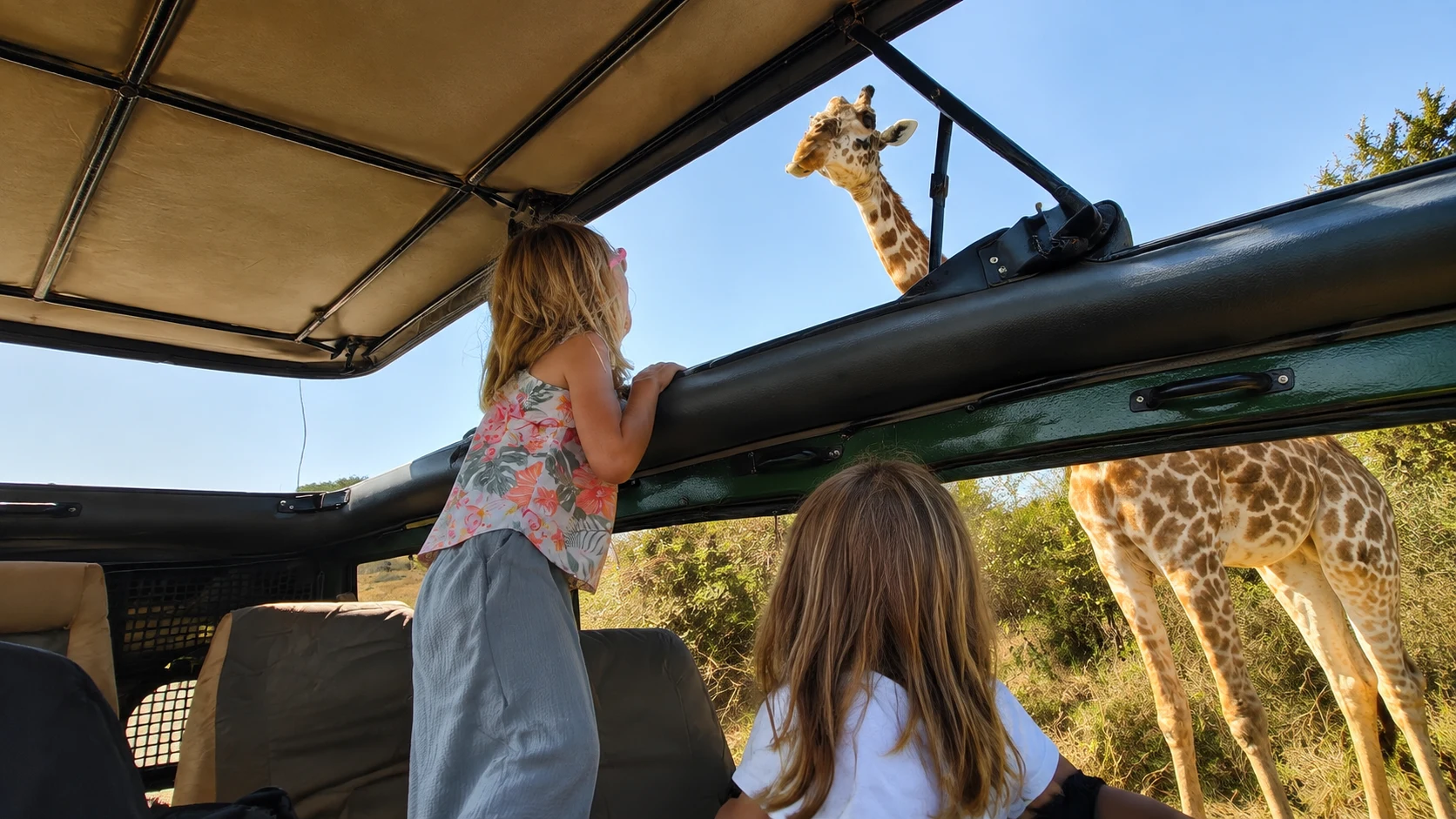
Your driver-guide spends every day with you: finding the animals, reading the weather, fixing a flat tyre and explaining what you are seeing. They are the most important person on your trip, and the tip should reflect that.
A private vehicle with two people usually sits towards the higher end of the range. A larger group sharing a vehicle can tip a little less per person. If your guide went well beyond the brief, whether that is an early start for a leopard or a patient morning with a nervous child, tip above the guideline.
Hand the tip over yourself, in an envelope, on the last day. Do not leave it with a third party.
Tipping camp and lodge staff
Most camps keep a communal tip box at reception. The staff you rarely see, such as cooks, housekeeping, waiters, security and laundry, share it, which is why one lump sum on departure is fine. You do not need to tip individually unless someone did something special.
A simple rule: add up your nights at each camp and tip once, on your final morning there, for the whole stay.
Which currency to use
US dollars are widely accepted and appreciated, but Kenyan shillings are also welcome, and many staff prefer them because there is no exchange cost. Bring clean, undamaged notes in small denominations such as US$5, $10 and $20 so splitting is simple. Tips are normally paid in cash rather than by card.
Do I tip if my safari price already includes service?
In most cases, yes. A safari quote normally covers accommodation, meals, park fees, transport and guiding. Gratuities are discretionary and paid directly to the people who served you, so check what your own quote includes and budget for tips separately.
A simple worked example
For a couple on a 7-night safari, allow about US$15 to $30 per person per day, so roughly US$105 to $210 each, or US$210 to $420 for the two of you. Around two-thirds goes in one envelope to your driver-guide, and the rest is divided between the tip boxes at each camp, in proportion to the nights you stayed.
Frequently asked questions
How much should I tip a safari guide in Kenya?
Most guests give between US$10 and $20 per person per day, in cash, at the end of the trip.
Should I tip in dollars or shillings?
Either is fine. Shillings avoid exchange costs for staff, and dollars are easier to carry.
Do I tip every camp separately?
Yes, once per camp, in the tip box on your last morning there.
Is tipping expected on a private safari?
It is customary. The amounts above are guidelines, not rules.
What if I am unhappy with the service?
Tip what feels fair and tell your operator. Feedback is more useful to staff than silence.
Plan your safari: Tell us your dates, group size and budget and we will plan a safari around you, including advice on tips when we finalise your itinerary.
Plan my trip